What Is Alcoholics Anonymous?
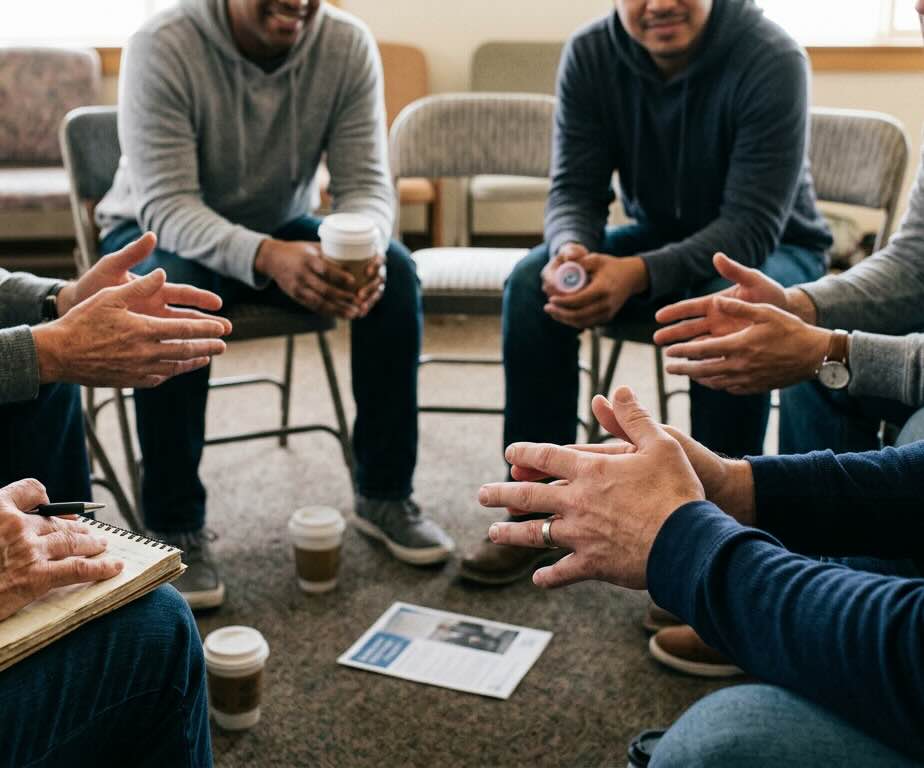
Alcoholics Anonymous is an international fellowship of men and women who have had a drinking problem. It is nonprofessional, self-supporting, multiracial, apolitical, and available almost everywhere. There are no age or education requirements; membership is open to anyone who wants to do something about their drinking.
The only requirement for membership is a desire to stop drinking. AA does not keep membership records, conduct research, or accept outside funding. Its single purpose is to help alcoholics recover through a program of action based on the 12 Steps.
- Not a religious organization: spiritual, but open to all beliefs including atheism
- Not a medical treatment: a peer support fellowship, complementary to clinical care
- Not affiliated with any political party, institution, or outside organization
- Completely free: no dues, fees, or financial obligations ever
- Fully anonymous: your name and attendance are never disclosed
The History of Alcoholics Anonymous
AA was founded in Akron, Ohio in 1935 by Bill Wilson ("Bill W."), a New York stockbroker, and Dr. Robert Smith ("Dr. Bob"), a surgeon: both of whom had struggled for years to overcome their alcoholism. Their first meeting in May 1935 is considered the founding moment of AA.
In 1939, the fellowship published its foundational text, Alcoholics Anonymous; nicknamed the "Big Book," it outlined the 12 Steps and the AA program of recovery. It became one of the best-selling books in American publishing history, with over 30 million copies in print.
From those two founding members, AA grew to include 100 members by 1939, thousands by the 1940s, and more than 2 million members across 180+ countries today. Its model of peer support and the 12 Steps has inspired dozens of other recovery programs worldwide.
Bill W. and Dr. Bob meet in Akron, Ohio: AA is born
The Big Book is published; 100 members in 3 U.S. cities
The 12 Traditions codified; 100,000+ members worldwide
AA spreads globally; reaches 1 million members
2M+ members, 130,000+ U.S. groups, available in 180+ countries

Who Is AA For?
AA welcomes anyone with a desire to stop drinking. There are no other requirements: no income threshold, no minimum drinking history, and no formal diagnosis needed.
The First-Timer
If you're questioning your relationship with alcohol for the first time, AA is a safe place to explore, with zero pressure to commit, speak, or identify as an alcoholic.
Find a First Meeting →
The Long-Term Drinker
For those who have struggled with alcohol for years or decades, AA provides a non-judgmental path forward built on lived experience: not clinical theory.
Call for Help Now →
After Rehab or Treatment
Many people leaving inpatient rehab use AA as their long-term support system. AA provides daily structure, community accountability, and a sponsor relationship that clinical treatment cannot replicate.
Continue Recovery →
Family & Loved Ones
Open AA meetings welcome family members and friends. Al-Anon, AA's sister fellowship, is specifically designed for those affected by a loved one's drinking.
Find Open Meetings →
LGBTQ+ Members
Many AA groups across the U.S. are specifically LGBTQ+-affirming. AA welcomes everyone unconditionally: your identity has no bearing on your ability to seek and achieve sobriety.
Find Inclusive Groups →
Atheists & Agnostics
You do not need to believe in God to attend AA. The "Higher Power" concept is deliberately broad; many atheist and agnostic members define it as the group itself, nature, or their own conscience.
Explore AA Without Religion →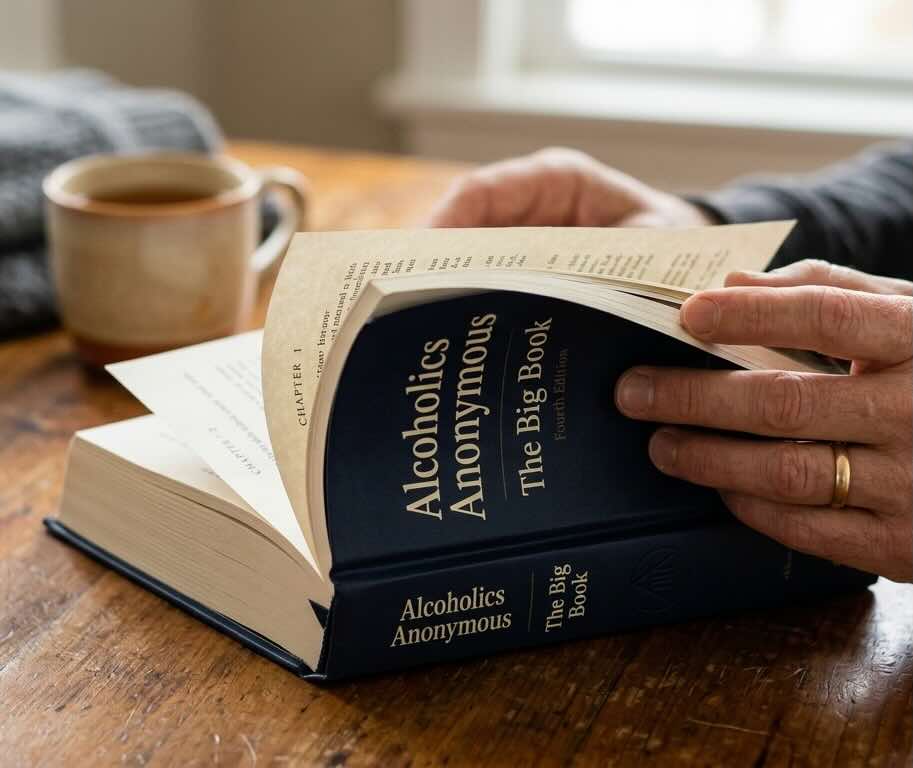
The Big Book: AA's Core Text
First published in 1939, Alcoholics Anonymous (universally called the "Big Book") is the foundational text of the AA program. Written primarily by Bill Wilson with contributions from early AA members, it describes the 12 Steps and shares the personal stories of members who achieved sobriety.
With over 30 million copies in print and translated into more than 70 languages, it is one of the best-selling books in American publishing history. TIME Magazine named it one of the 100 most influential books written in English since 1923.

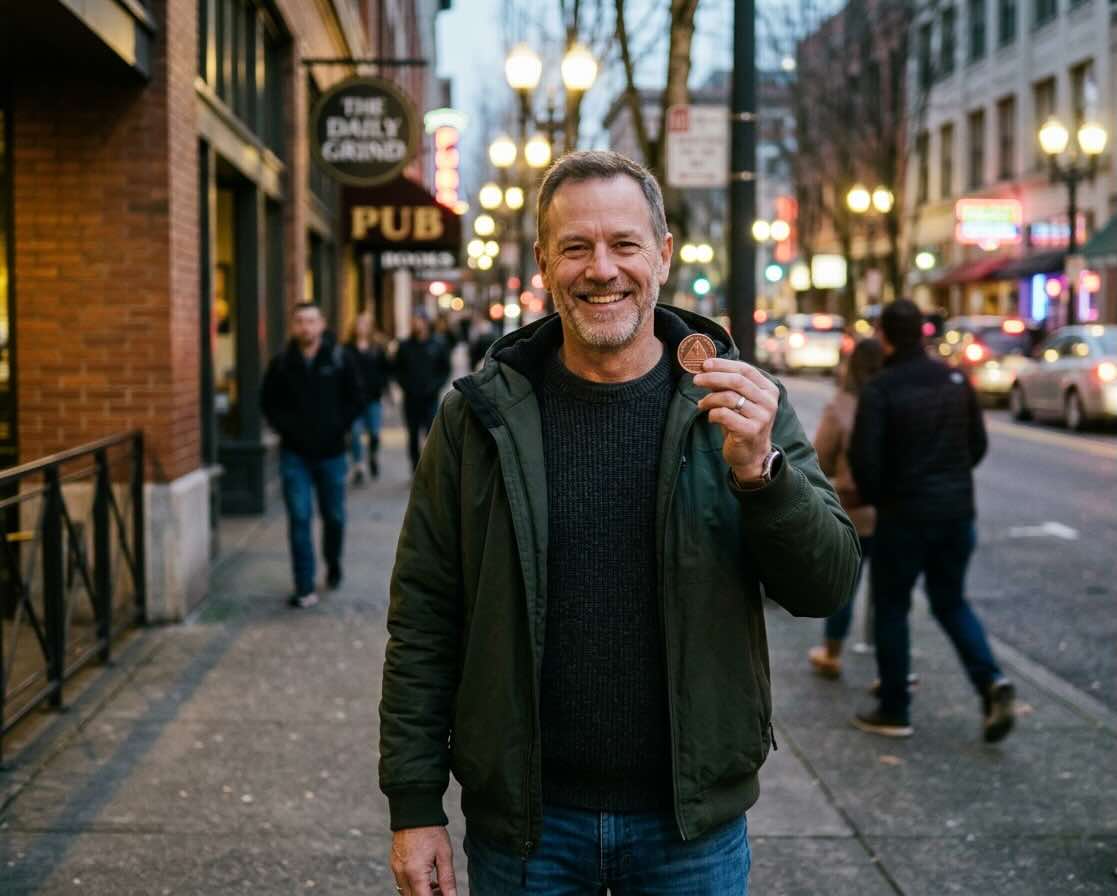
"I tried everything on my own for twelve years. In AA, I found something I couldn't manufacture alone: a community of people who genuinely understood."
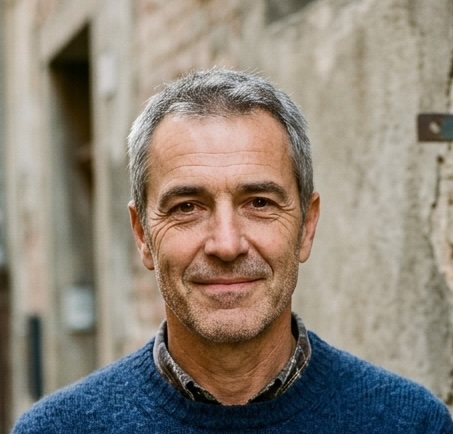
Ethan K.
11 years sober · Portland, OR
Frequently Asked Questions About AA
Is Alcoholics Anonymous a religious organization?
No. AA is a spiritual program, not a religious one. While the 12 Steps reference a "Higher Power," each member defines that concept entirely for themselves. AA has no official religious affiliation and warmly welcomes atheists, agnostics, and people of any or no faith tradition.
Does AA actually work? What does the research say?
A landmark 2020 Stanford study published in the Cochrane Database of Systematic Reviews found that AA was more effective at achieving long-term sobriety than other interventions, including cognitive behavioral therapy. Members who attended regularly were significantly more likely to achieve continuous abstinence at 12 and 36 months.
Do I have to stop drinking before my first AA meeting?
No. There is no requirement to be sober before attending. Many people attend their first meeting while still drinking. The only requirement is a desire to stop. If you are experiencing severe withdrawal symptoms, seek medical care before attending.
What is an AA sponsor?
A sponsor is an experienced AA member who personally guides a newer member through the 12 Steps. Sponsorship is voluntary and informal: it's one recovering person helping another. You are never required to get a sponsor, but most long-term members credit their sponsor as essential to their recovery.
What is the difference between AA and NA?
Narcotics Anonymous (NA) follows the same 12-Step model as AA but is focused on all drug addictions, not just alcohol. AA's primary focus is alcoholism. Some people attend both, and many NA groups welcome members with cross-addictions to alcohol.
How long does it take for AA to work?
Recovery is personal and there is no universal timeline. AA suggests attending 90 meetings in the first 90 days, one per day, to build early momentum and community. Many members report meaningful change within weeks; others describe it as a lifelong process of continuous growth.